

Within the ocean of sound, where every vibration seems to connect with the very essence of our existence, techno has always been a current that not only flows but transforms. Like a cosmic force, it was born at a specific point and, over time, expanded, reinvented, and adapted to new forms, but always keeping its essence intact. In this story, Detroit and Berlin have been the two cities that have nourished its soul, each giving it a different face, yet both contributing to the profound mystery that techno represents.
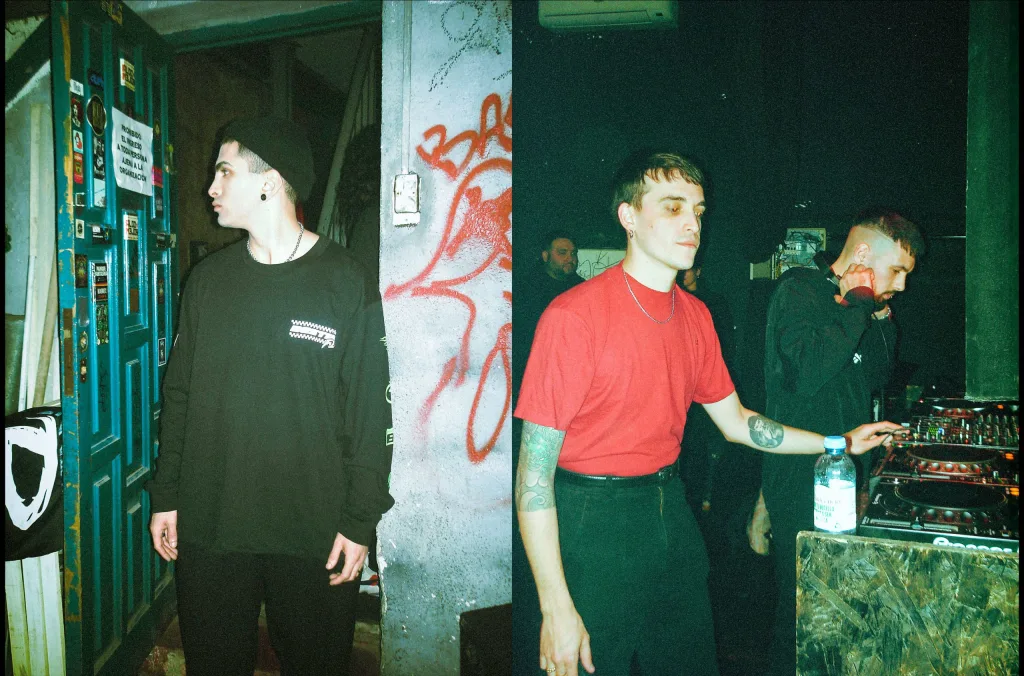
The question of which came first, Detroit or Berlin? invites us to reflect on the beginnings of a sound that transcended its place of origin. Like any great phenomenon, techno didn’t emerge from one single point but grew, transformed, and adapted to new cultures and times. Thus, Detroit and Berlin are the two great pulses that gave shape to this sonic journey.
Detroit: The Origin of the Vibration
At the dawn of techno, there was a deep heartbeat, a first pulse that began in Detroit, Michigan, in the mid-1980s. This city, known for its automotive industry and relentless work ethic, seemed an unlikely place for something as futuristic and emotional as techno to be born. Yet, in the crucible of industry and Detroit’s culture, the first experiments with synthesizers, drum machines, and sequencers began to take shape.
The pioneers of this movement, Juan Atkins, Kevin Saunderson, and Derrick May, began mixing sounds from funk, soul, jazz, and industrial music, creating a unique blend of repetitive rhythms, electronic textures, and futuristic atmospheres. Juan Atkins, known as the “father of techno,” was the first to develop this sound we now recognize. His track “Clear”, released in 1983, is considered one of the first techno tracks, marking the beginning of a new path in music.
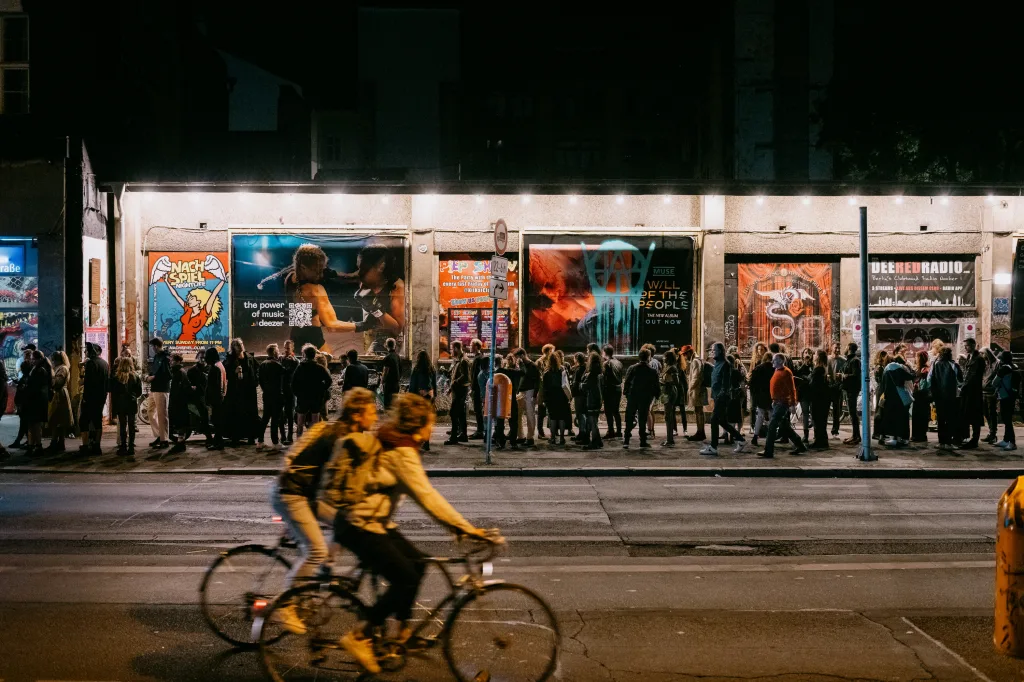
Detroit techno was not just about the use of new machines; it was a manifestation of the human soul. The frequencies weren’t just heard, they were felt, and the rhythm of the machines became a deep connection to what it meant to be part of something greater. Detroit techno was the heartbeat of a city that, while industrialized, still sought a form of expression that reflected its identity and its hope for an uncertain future.
Berlin: The Expansion of the Sound
Although techno was born in Detroit, it was in Berlin where the genre reached a new dimension, both in terms of popularity and culture. In the 1990s, after the fall of the Berlin Wall in 1989, the city transformed into an emerging cultural hub, where electronic music found its place in the hearts of the people. The fallen wall allowed Berlin to open up to the world, and with that came a new creative energy, a free space where music could evolve without restrictions.
Techno became the soundtrack of a city torn by its history, but now united through music. The underground clubs of Berlin, such as Berghain and Tresor, became places where techno was no longer just a musical genre but a sensory experience, a collective communion. Berliners, after decades of division, found in techno a way to live in the present, an opportunity to forget the past and surrender to the vibration of the music.
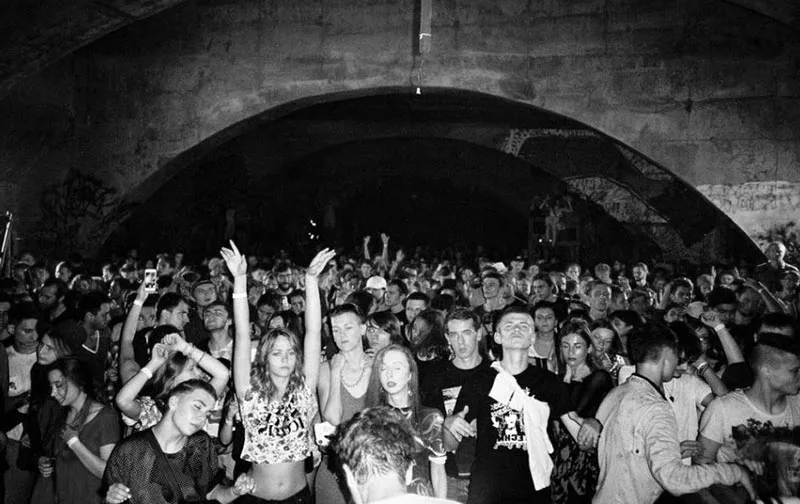
Berlin techno was characterized by a more minimalist sound, more hypnotic and focused on rhythm, which departed from the melodies of its origins in Detroit. Artists like Richie Hawtin and Monolake took Detroit’s sound and transformed it into something more introspective, reducing the elements and increasing the atmosphere.
Detroit and Berlin: Two Faces of Techno
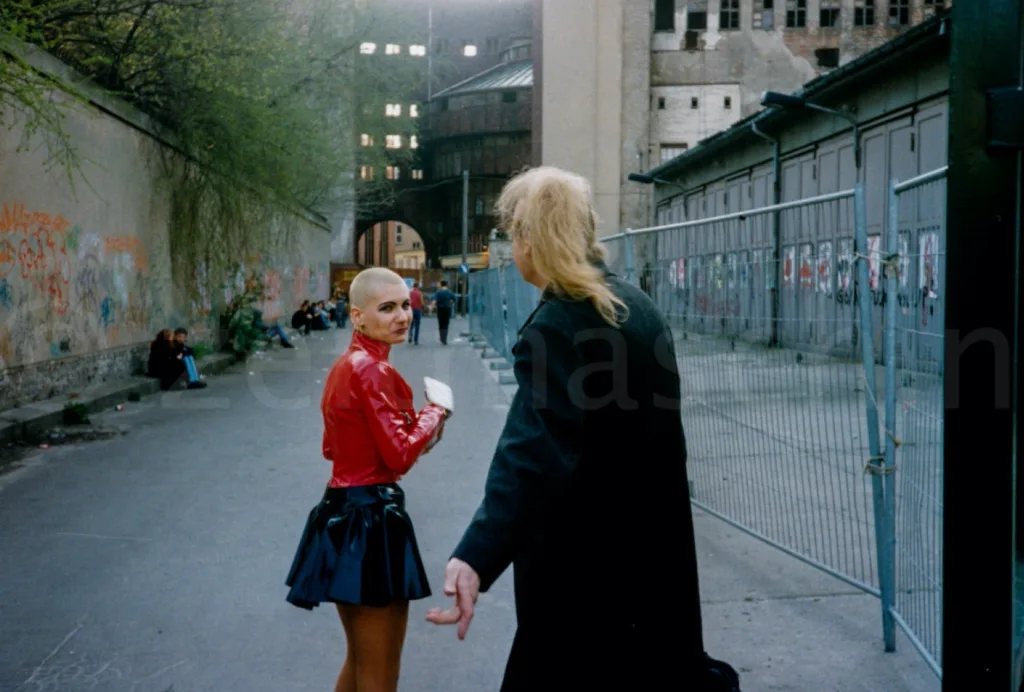
The answer to the question of which came first, Detroit or Berlin? is clear: Detroit was the cradle, the place where it all began, but Berlin was where the sound transformed and expanded to a global level. Detroit gave techno its soul, while Berlin projected it to the world, multiplied it, and elevated it.
What is fascinating is how, despite the geographical and cultural distance, both cities share the same essence. Detroit gave techno its foundation, while Berlin offered the space for it to grow and evolve. Both are crucial parts of the same story, a continuous journey that doesn’t stop in time or space, a testament to what techno represents: a borderless language, a collective experience of the human.
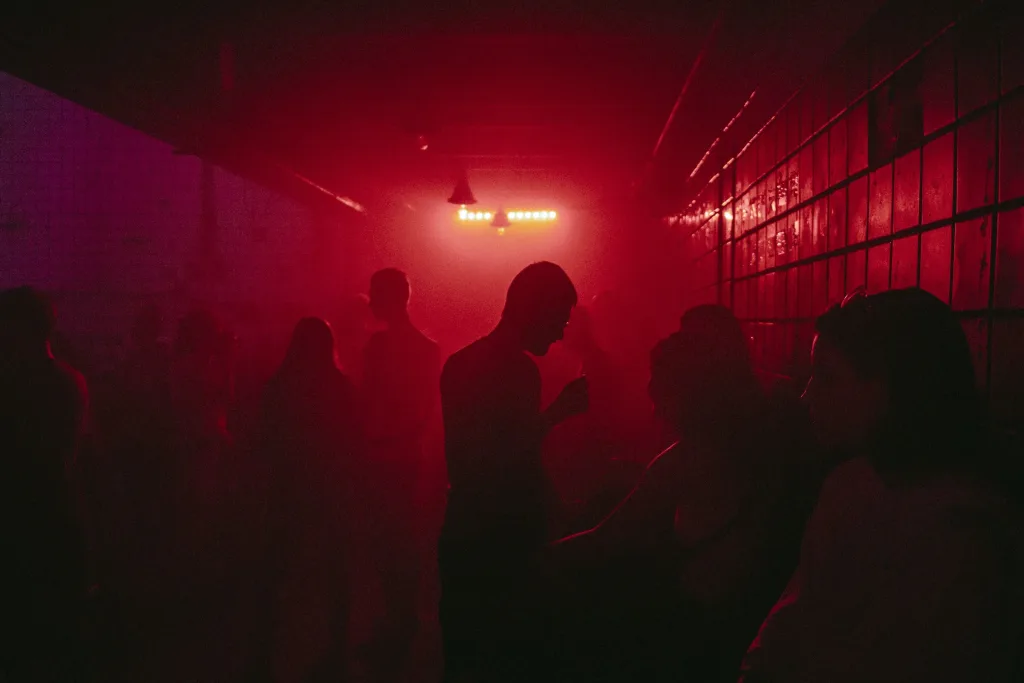
Techno Today: A Global Sound
Today, techno continues to be a global phenomenon. With artists from all over the world building on what they learned from Detroit and Berlin, the genre has continued to evolve, yet it remains true to its essence: an emotional and physical journey. From the clubs of Berlin to festivals in Asia and Latin America, techno continues to be a unique experience that unites people from different cultures, generations, and walks of life.
Techno, in its purest form, remains a reminder that music is more than sound. It is a shared path, a universal vibration that connects humans beyond their differences. It is the constant search for what we have yet to understand, for what we still have to discover.

A Sound Without End
The history of techno is not the history of one place, but of a shared energy, a vibration that was born in Detroit and expanded through Berlin, and continues to travel through time. While Detroit was the origin of techno and Berlin transformed it into a global expression, the journey continues. Each beat, each track, remains an invitation to a new discovery, a new experience, and most of all, a new way of feeling life through music.
Techno, in its purest form, remains a collective search for the unknown, an endless exploration that connects us all in the same vibration.
 Hardgroove vs Hard Techno: Why Swing, Funk and Percussion Are Winning in 2026
 Boris Brejcha: From a Difficult Childhood to the Rise of High-Tech Minimal
 Hypnotic Techno: How Repetition, Space and Subtle Motion Build the Groove
 Tribal Techno: How Percussion, Groove and Polyrhythm Shape the Sound
 Best Techno Album Releases: What Makes a Strong Album Worth Buying?
 Salva