

Hardgroove is not simply hard techno with extra percussion. Its power comes from movement: short drum loops pushing against one another, syncopated accents, controlled low end and just enough swing to make a rigid grid feel alive.
After several years in which harder, faster and more distorted techno dominated the conversation, the balance is changing. Dancefloors still want intensity, but they are also asking for rhythm, space and longer-lasting momentum. That makes hardgroove one of the most relevant techno sounds of 2026.
The difference can be felt before it can be explained. Hard techno hits you. Hardgroove pulls you forward.

HEAR THE ENERGY
Enter The Syndicate: a focused T.A.M.R selection connecting raw, hypnotic and groove-driven techno.
LISTEN TO THE SYNDICATE ON SPOTIFYWhat Is Hardgroove?
Hardgroove is a percussion-led form of techno built around looping, funk and constant physical motion. Rather than depending on giant breakdowns or a single oversized kick, it creates pressure through the interaction of multiple small rhythmic parts.
A typical hardgroove track may combine a firm four-to-the-floor kick with shakers, congas, toms, claps, rides and chopped drum loops. Each element is simple on its own. Together, they create a dense rhythmic surface in which every accent helps drive the next one.
The style is closely associated with the late 1990s and early 2000s, when producers and DJs pushed tribal percussion, loop-based arrangements and funk into tougher techno frameworks. The current wave keeps that DNA but presents it with faster tempos, cleaner low end and the sharper impact expected from contemporary club systems.
Hardgroove vs Hard Techno
Hardgroove and hard techno can share high tempos, powerful drums and a direct dancefloor purpose. The difference is where each style places its weight.
Hard techno commonly builds impact through distortion, heavy kick tails, dramatic drops, aggressive synths and obvious peaks. Its energy often feels vertical: tension rises, the drop arrives and the track releases its maximum force.
Hardgroove is more horizontal. It maintains momentum through repetition and variation. The kick is important, but it leaves room for the percussion to speak. Instead of waiting for a huge drop, the listener is carried by a groove that keeps evolving through small changes.
- Hard techno emphasizes impact; hardgroove emphasizes motion.
- Hard techno often centers the kick; hardgroove balances the entire drum conversation.
- Hard techno uses distortion as a major source of pressure; hardgroove creates pressure through syncopation and density.
- Hard techno frequently points toward dramatic peaks; hardgroove is designed to roll for long sections of a DJ set.
Neither approach is automatically better. They solve different problems on the dancefloor. The growing interest in hardgroove comes from its ability to remain forceful without exhausting every frequency and every listener at once.
Why Hardgroove Is So Relevant in 2026
The renewed interest in hardgroove is part of a wider correction inside club music. After years of acceleration and constant maximum impact, audiences are rediscovering the value of groove, breathing room and longer narratives.
That change does not mean techno is becoming soft. Modern hardgroove can easily reach 140 BPM and beyond. What changes is the distribution of energy. Instead of placing all the aggression in the kick and master bus, producers spread it across several rhythmic voices.
The sound also reconnects techno with funk. A well-built hardgroove loop makes the body anticipate the next offbeat accent. The rhythm feels mechanical enough for techno, yet loose enough to dance rather than simply endure.
Recent releases continue to connect vintage hardgroove language with contemporary production. Fireground, for example, has been recognized for combining loose hand drums and early-2000s references with modern techno weight. That combination—historical rhythm, current sound design—is central to the revival.
The Anatomy of a Modern Hardgroove Beat
1. A Firm Kick With Space Around It
Start between 138 and 145 BPM. Choose a kick with enough body to anchor the loop, but avoid a tail so large that it occupies the entire low end. Hardgroove needs a strong center and room for everything around it.
The kick can be saturated, clipped or layered, but processing should serve the groove. If the drum becomes the only thing the listener can hear, the track is moving toward hard techno rather than hardgroove.
2. Percussion as the Main Hook
In hardgroove, the hook is often rhythmic rather than melodic. A two-beat conga phrase, a tom answering the kick or a chopped Latin percussion loop can become the identity of the track.
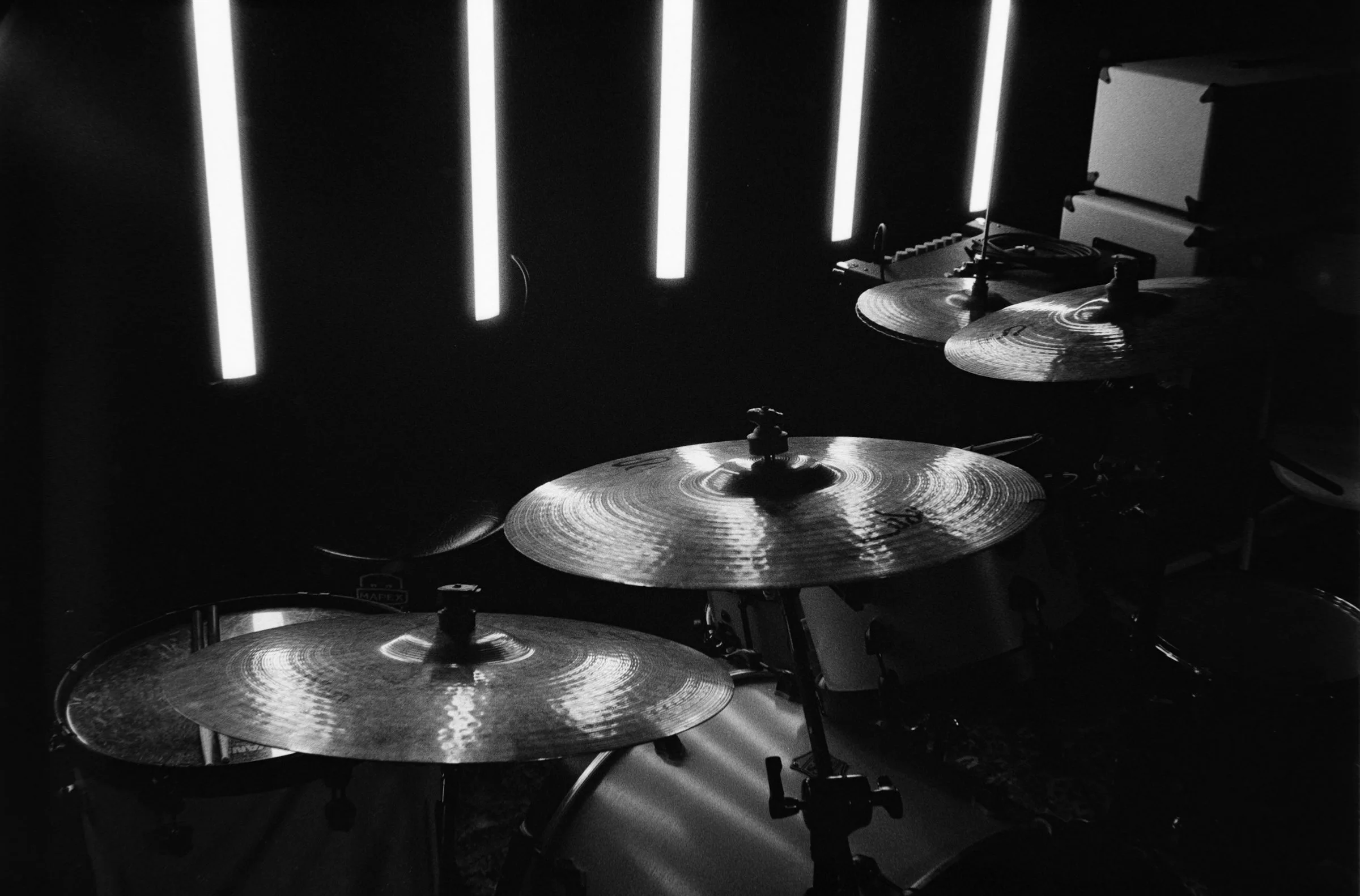
Build one part at a time. Let each new sound answer an existing accent instead of doubling it. Call-and-response between two short loops creates more movement than stacking several patterns on the same hits.
3. Swing and Velocity
Perfectly quantized sixteenth notes can sound flat, even with excellent samples. Apply swing to selected hats, shakers or percussion—not automatically to every channel—and vary the velocity of repeated notes.
The goal is not obvious timing error. It is controlled imbalance. Some hits should pull the groove forward while others relax behind the kick. Compare the swung version with the straight version and keep only the change that improves physical movement.
4. Rolling Low-Mid Energy
Hardgroove bass is often felt as part of the drum system. A short rumble, low tom, filtered stab or compact bass loop can fill the spaces between kicks without becoming a long melodic phrase.
Keep the sub frequencies disciplined. The groove usually becomes more powerful when the bass and kick take turns instead of fighting continuously.
5. Arrangement Through Subtraction
Because the core patterns repeat, arrangement depends on controlling attention. Remove the ride for eight bars. Filter one percussion loop. Delay the return of a clap. Let a vocal fragment appear once and disappear.
These small decisions give the DJ useful transitions and make a long groove feel purposeful. Hardgroove does not need to stop completely to announce a new section. It can change direction while the body remains locked to the pulse.
Listen for the Difference
The fastest way to understand hardgroove is to stop listening only for the kick. Follow the shaker for eight bars. Then focus on the conga, ride or low tom. Notice how the parts exchange energy while the main pulse stays stable.
Use The Syndicate playlist as a reference point. Compare tracks that rely on a dominant distorted kick with those that create movement through layered drums, syncopation and negative space.
OPEN THE SYNDICATE PLAYLIST ON SPOTIFY
The Syndicate: Groove Across Borders
Production advice only becomes useful when it survives a complete arrangement. The Acid Mind Recordings created The Syndicate as a various-artists series joining different interpretations of techno through rhythm, texture and frequency.
The Syndicate 001 brings together 24 artists from 12 countries. Its range moves through raw, hypnotic, hard and groove-oriented techno while keeping a shared underground identity. It is a useful reference for hearing how different producers build pressure without following a single formula.
THE SYNDICATE 001 — VARIOUS ARTISTS
Twenty-four artists, twelve countries and one collective techno language.
LISTEN / DOWNLOAD THE SYNDICATE 001 ON BANDCAMPThe Syndicate 002 continues the concept with 12 tracks explicitly framed around hypnotic and groove techno. Its tighter selection makes it especially relevant to the modern hardgroove conversation: repetition becomes narrative, percussion becomes identity and every producer contributes a different form of forward motion.
THE SYNDICATE 002 — VARIOUS ARTISTS
Twelve tracks exploring hypnotic pressure, groove and contemporary techno movement.
LISTEN / DOWNLOAD THE SYNDICATE 002 ON BANDCAMPBandcamp provides unlimited streaming with purchase and high-quality downloads, making both compilations useful for focused listening, DJ preparation and direct support of the label and participating artists.

Final Thoughts
Hardgroove matters because it proves that speed does not have to erase funk. A track can be fast, tough and modern while still leaving space for swing, human variation and rhythmic conversation.
For DJs, that creates energy that can be sustained across a longer set. For producers, it shifts the challenge away from making the biggest kick and toward building the most convincing relationship between simple parts.
That is the real difference between hardgroove and hard techno. One reaches maximum impact by concentrating force. The other keeps the room moving by distributing it.
 Playlist Extractor: Copy Rekordbox Playlists from Your USB
 From Techno to Recovery: The First Month of Support for Colombia
 Boris Brejcha: From a Difficult Childhood to the Rise of High-Tech Minimal
 Hypnotic Techno: How Repetition, Space and Subtle Motion Build the Groove
 Tribal Techno: How Percussion, Groove and Polyrhythm Shape the Sound
 Best Techno Production Tools: What You Actually Need to Produce Better Techno