

In the silence of a laboratory in 1980s Japan, amid resistors and capacitors, a modest man named Tadao Kikumoto was unknowingly weaving the symphony of the future. An engineer at Roland, but also a dreamer, Kikumoto didn’t just design machines: he created sonic myths, tools that would become the heartbeat of a musical revolution. The TB-303 and the TR-909—two names that today resonate like sacred verses in the gospel of techno—were born from his hands, the fruit of a mind that understood that technology could be as warm and expressive as a Stradivarius violin.
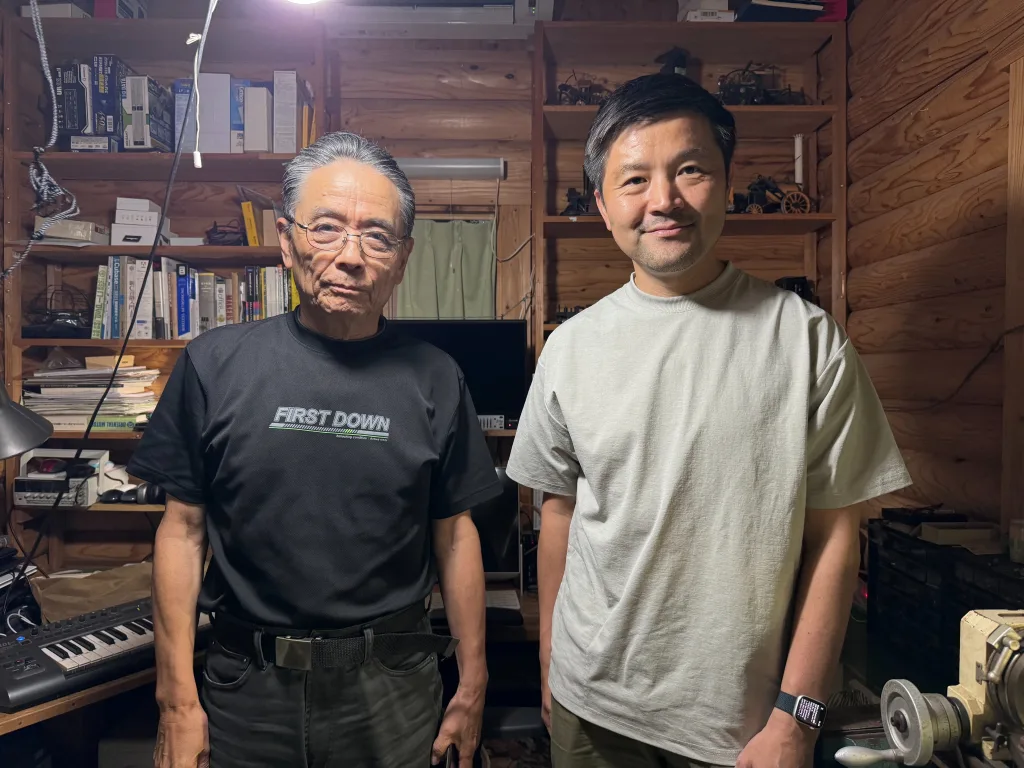
The TB-303: The Acid Cry That Changed History
When Kikumoto was tasked with designing an affordable substitute for the electric bass, no one could have imagined that this silver device—with its rudimentary sequencer and square-wave synthesizer—would become the Frankenstein of electronic music. Launched in 1982, the TB-303 was initially a commercial failure. But like all great works of art, its destiny wasn’t to be understood in its own time; it was to rise again years later, when bolder ears discovered its distorted, liquid, almost living voice.

It was in the clubs of Chicago and Detroit where the 303 found its true home. Phuture, with their legendary “Acid Tracks,” uncorked the genie from the bottle: that acidic, twisted sound that seemed to drip like corrosive acid over the beats. DJ Pierre, Richie Hawtin, Aphex Twin, and legions of producers embraced its psychedelic timbre, turning it into the unmistakable hallmark of acid house and underground techno. The machine nobody wanted transformed into a relic, the Holy Grail of synths, because Kikumoto, without intending to, had invented not just an instrument, but a new emotional language.
The TR-909: The Heart of the Machine That Beats in the Present
If the TB-303 was the cry, the TR-909 was the heart. Designed in 1983, this drum machine didn’t mimic the acoustic—it transcended it. Its deep kicks, metallic hi-hats, and sharp snares didn’t sound real; they sounded better than real. They had that unmistakable groove, that balance between robotic precision and human cadence that led Jeff Mills, Daft Punk, and Kevin Saunderson to make it the cornerstone of techno, house, and electro.

The 909 wasn’t a tool—it was a accomplice. It allowed artists to paint rhythms with the freedom of an abstract painter, and its legacy lives on today, not just in hardware, but in the plugins and samples that replicate its digital soul. Because Kikumoto didn’t create mere machines: he created archetypes, sounds that, like Beethoven’s chords or Hendrix’s riffs, embedded themselves in the DNA of music.
The Genius of Electronic Dreams
Tadao Kikumoto didn’t seek fame. He was a discreet engineer, a craftsman in the shadows. But his genius lay in understanding that technology shouldn’t enslave the artist—it should liberate them. The TB-303 and TR-909 were gifts to the future: instruments that, in their imperfection, allowed generations of musicians to find their own voice.
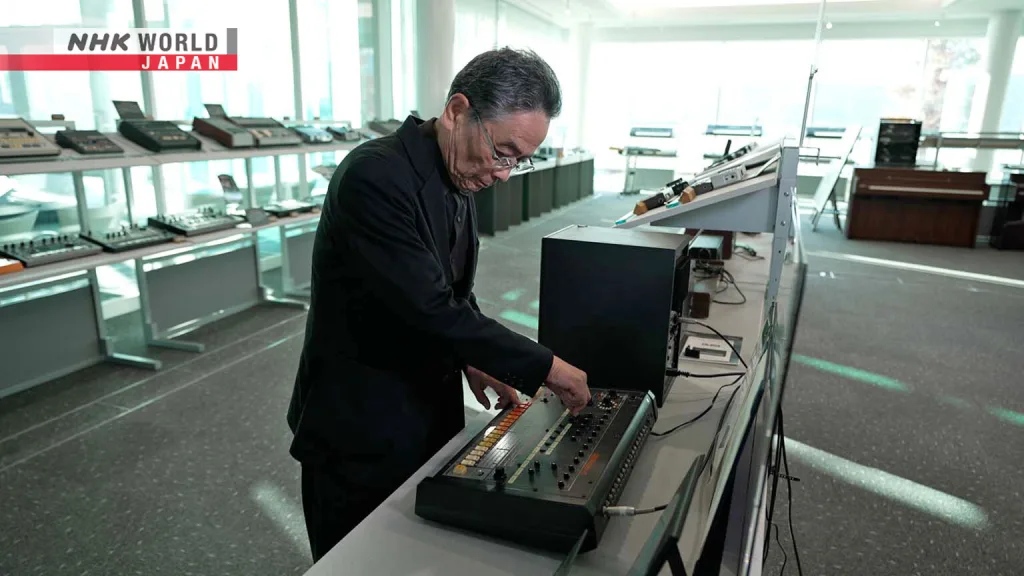
Today, when a producer fires up a 303 or programs a 909, they’re not using an old tool. They’re conversing with a ghost, with the essence of a man who knew that, sometimes, circuits can sing, moan, and even fall in love. Kikumoto didn’t make music; he made magic possible. And therein lies perhaps the most beautiful technological romanticism: the idea that a handful of chips and wires could, against all odds, contain a soul
 From Techno to Recovery: The First Month of Support for Colombia
 Hardgroove vs Hard Techno: Why Swing, Funk and Percussion Are Winning in 2026
 Boris Brejcha: From a Difficult Childhood to the Rise of High-Tech Minimal
 Hypnotic Techno: How Repetition, Space and Subtle Motion Build the Groove
 Tribal Techno: How Percussion, Groove and Polyrhythm Shape the Sound
 Best Techno Album Releases: What Makes a Strong Album Worth Buying?