

Electronic music, that eternal return of possessed machines, has birthed moments that refuse to be tamed by time—lightning bolts tearing through the night of the modern spirit. We’re not speaking of mere melodies, but of Dionysian revelations where the soul dissolves and is reborn in spasms of light and steel. Jeff Mills, the herald of the inhuman, strikes “The Bells” as one who summons gods of an age yet to come. Underground Resistance (Galaxy 2 Galaxy) raises its banner as an uprising against the herd—a will to power shaped in rhythm. In these sacred trances, technique becomes destiny, emotion becomes abyss, rebellion becomes art.
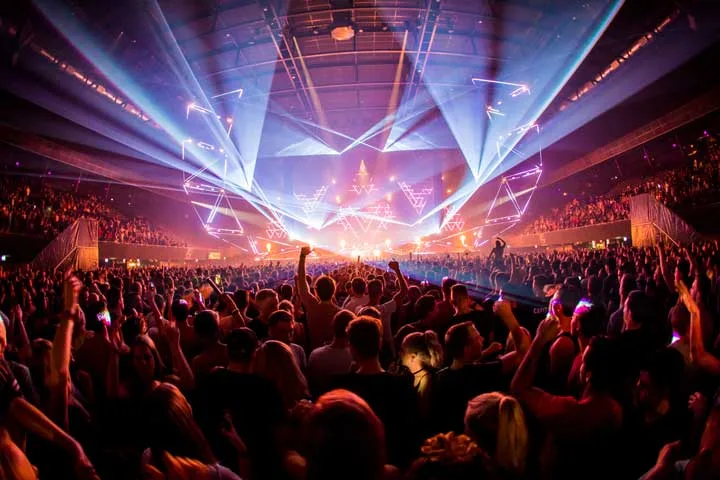
Daft Punk, in their rawness, scream through the helmet like a digital Zarathustra; Ben Klock transfigures Berghain into altar and catacomb; Aphex Twin, the tragic jester, spews chaos upon Glastonbury as if mocking Apollo himself. This piece does not seek to narrate, but to invoke. For techno, once it ceases to be entertainment, reveals what it always was: a rite of fire, an affirmation of the moment, a dance of the eternal in the electronic flesh of the world.
Jeff mills and the Eternity of “The Bells” at Ultimo Disco
There are tracks that define careers, and then there are those that define entire movements. Jeff Mills’ “The Bells” belongs to the latter category. When Mills closed his set at Ultimo Disco with this timeless anthem, time itself seemed to freeze. Released in 1996, “The Bells” is a pure expression of Detroit minimalism — a relentless, hypnotic rhythm overlaid with shimmering metallic motifs that ring like cathedral chimes in a dystopian future.
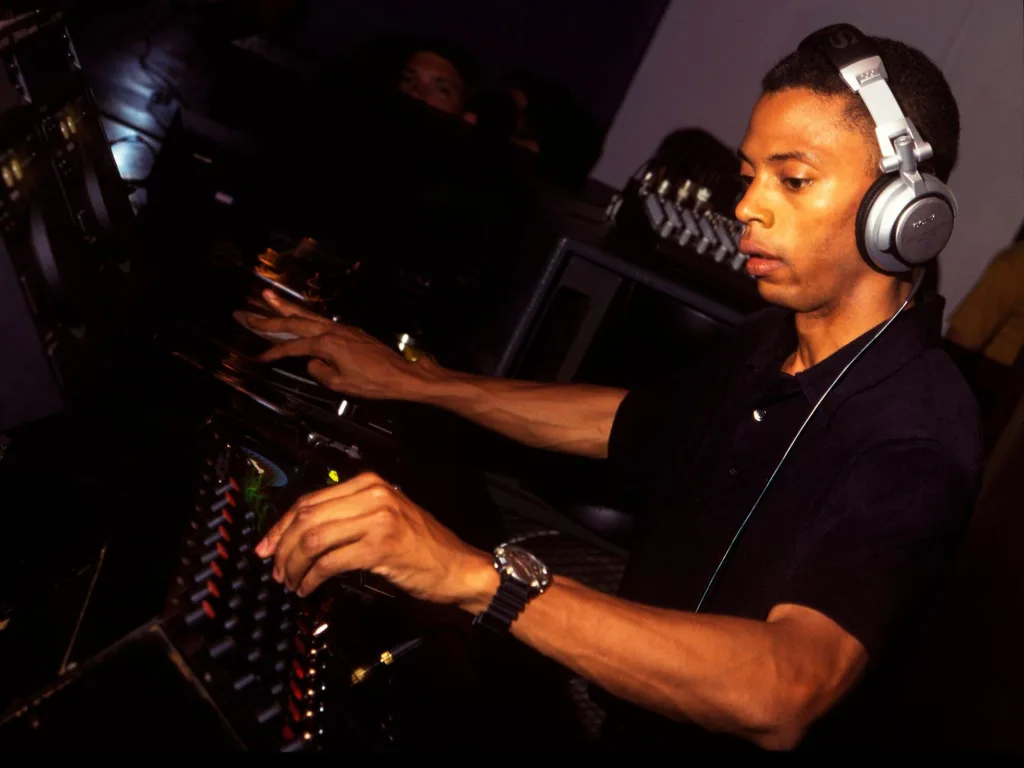
That night, Mills’ mastery of the three-turntable setup allowed him to craft a moment of collective trance — a feeling of “mechanical ecstasy” among thousands, as if each body had been synchronized to the beat of a singular machine. That convergence of precision, soul, and machinery became more than just a performance; it was an invocation of techno’s spiritual potential.
Underground Resistance: The Electronic Militia At Full Power
When Galaxy 2 Galaxy — the live performance incarnation of Underground Resistance — took the stage to perform “Knights of the Jaguar,” it wasn’t just a concert, it was a revolution in progress. With Detroit as their ideological and sonic birthplace, UR’s fusion of militant imagery, radical politics, and deeply emotive music has always carried the spirit of resistance. But that night, they elevated the mission.
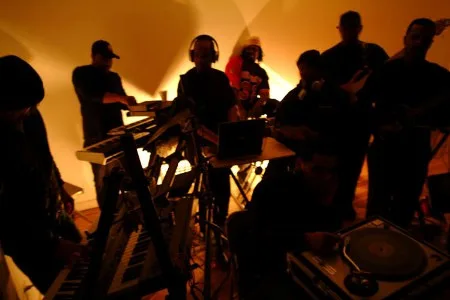
“Knights of the Jaguar,” with its fusion of techno, jazz, and Latin flavor, served as a manifesto of sonic liberation. The crowd didn’t just dance — they were summoned to rise. For those who believe techno was never meant to be background music, this performance reaffirmed its role as a force of collective empowerment and rebellion.
Surgeon’s Sonic Precision At Dekmantel
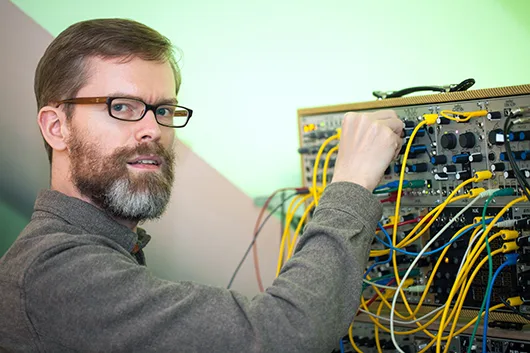
Anthony Child, aka Surgeon, performed a set at Dekmantel that felt more like an audio operation than a DJ set. Known for his ability to extract raw emotion from mechanical sounds, Surgeon delivered a moment that merged surgical precision with sonic brutality. His transition into Edge of Motion’s “Setup 707” wasn’t just a mix — it was an incision. The crowd, caught in the pressure cooker of Dekmantel’s energy, responded with unrelenting intensity. Surgeon’s selections carved deep into techno’s industrial anatomy, revealing the genre’s capacity for both order and chaos, structure and surrender. The set wasn’t a ride — it was a ritual.
Daft Punk: Before The Helmets, Pure Rawness
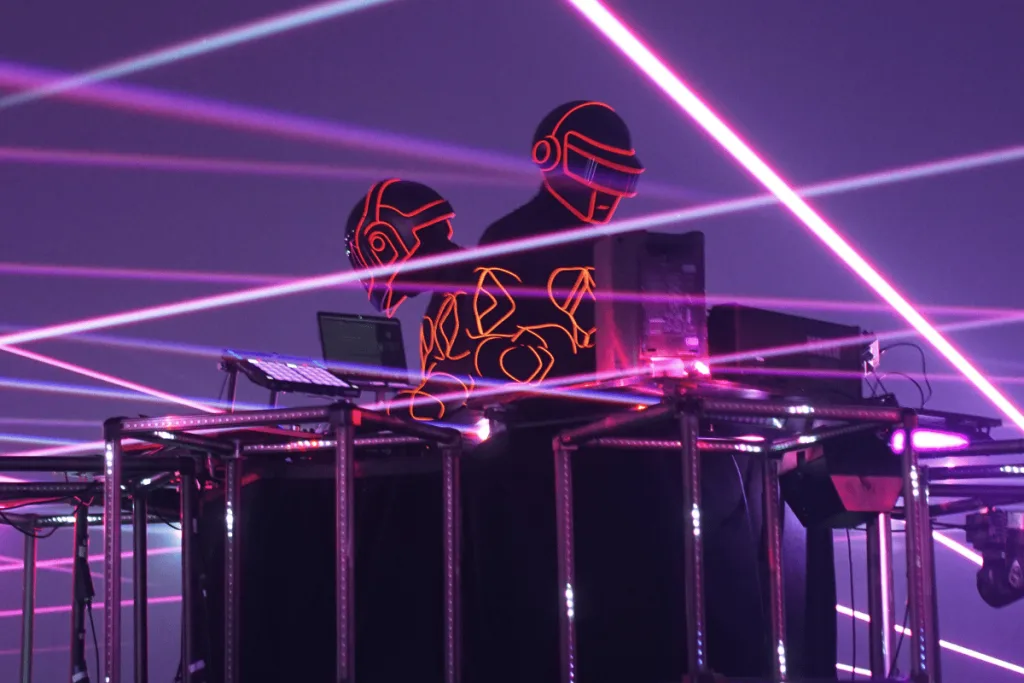
In 1996, long before the robotic helmets and stadium-sized visuals, Daft Punk performed at the Even Further rave in Wisconsin. The footage that survives is grainy and imperfect — but that only adds to the raw charm. That night, Guy-Manuel and Thomas played a mix of Chicago house and acid techno that embodied the spirit of DIY rave culture. What made the moment legendary wasn’t just their technical skill — it was the vulnerability. This was Daft Punk unmasked, literally and figuratively, moving purely for the love of the underground. In a world that often celebrates image over essence, this set remains a sacred relic of electronic authenticity.
Ben Klock At Berghain: Techno As A Cosmic Rite
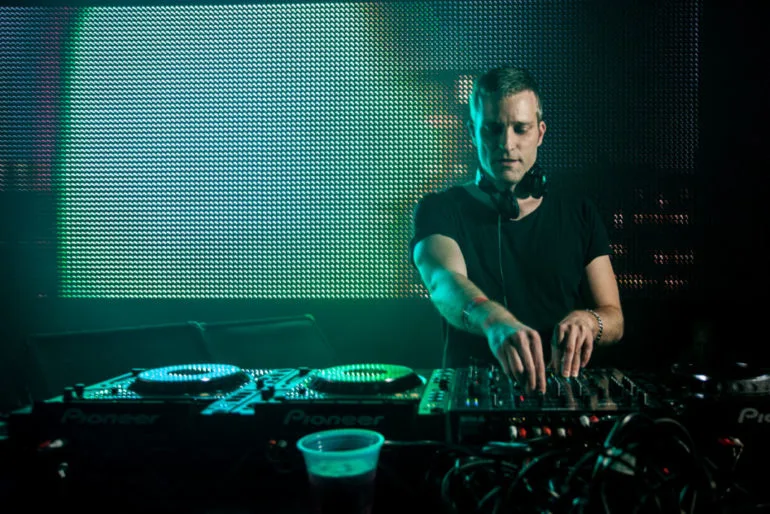
Few DJs are as synonymous with Berghain as Ben Klock. His sunrise set during one of Berghain’s legendary weekend marathons stands out as a near-mystical experience. When he dropped “Knights of the Jaguar” at precisely the moment the light filtered through Berghain’s narrow windows, the boundary between body, architecture, and sound collapsed. It wasn’t just a rave — it was a rite of passage. Klock’s selections moved through hypnotic loops, thunderous kicks, and moments of euphoric release. Techno became temporal architecture, sculpted in real time. That morning, Berghain felt like a church of steel and sweat, with Ben Klock as its high priest.
Laurent Garnier At Sónar 2000: A Jazz-Fueled Catharsis
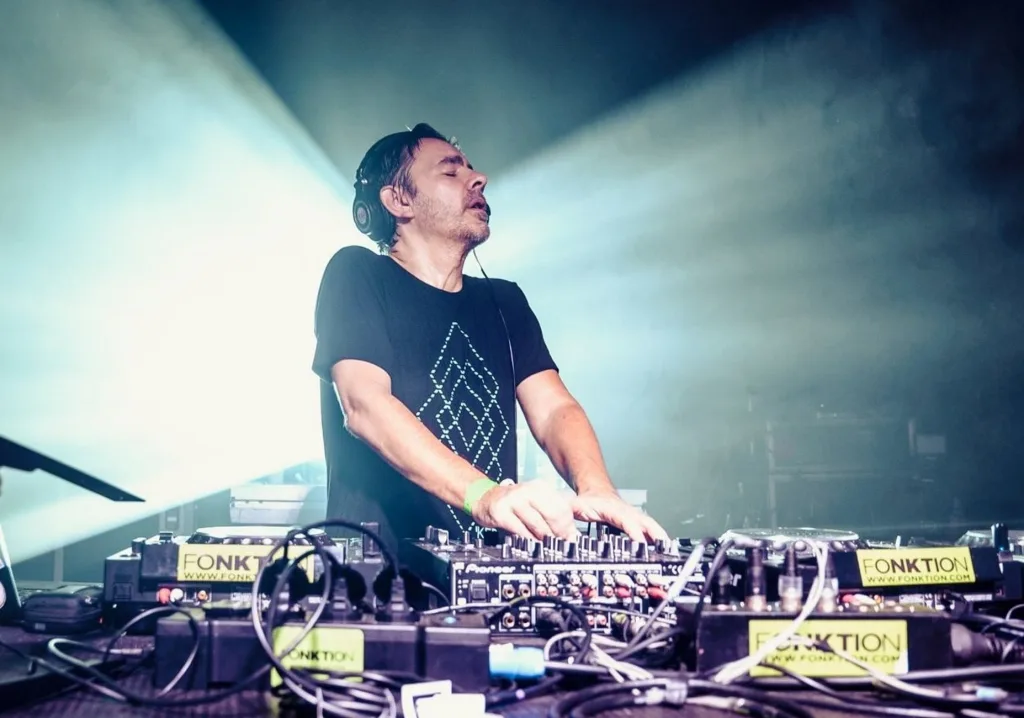
When Laurent Garnier closed Sónar Festival in 2000 with an extended version of “The Man with the Red Face,” he redefined what techno could be. Accompanied by a live saxophonist, Garnier infused the set with a jazz sensibility that cut through the synthetic haze of electronic music. The performance built slowly, the sax crying louder and more frantically until Garnier unleashed the drop — and with it, emotional release. Faces turned red in the crowd, both from dancing and from tears. For a brief moment, the distinction between genres, between digital and organic, between dancer and observer, ceased to exist.
Carl Cox’s Vinyl Marathon At Space Ibiza

When Carl Cox announced he’d play a 10-hour vinyl-only set at Space Ibiza, many were skeptical. Could the man known for digital wizardry return to his roots and still maintain that explosive energy? The answer was a resounding yes. For ten hours, Cox controlled the vibe like a true master, spinning classics and rare cuts with unmatched finesse. Without sync buttons or cue points, he relied solely on his ear and intuition. In an era where convenience often trumps craft, this performance was a defiant act of love for the foundations of DJing.
Watch: Carl Cox – Space Ibiza 2016
Aphex Twin At Glastonbury 2017: Chaos And Genius Collide
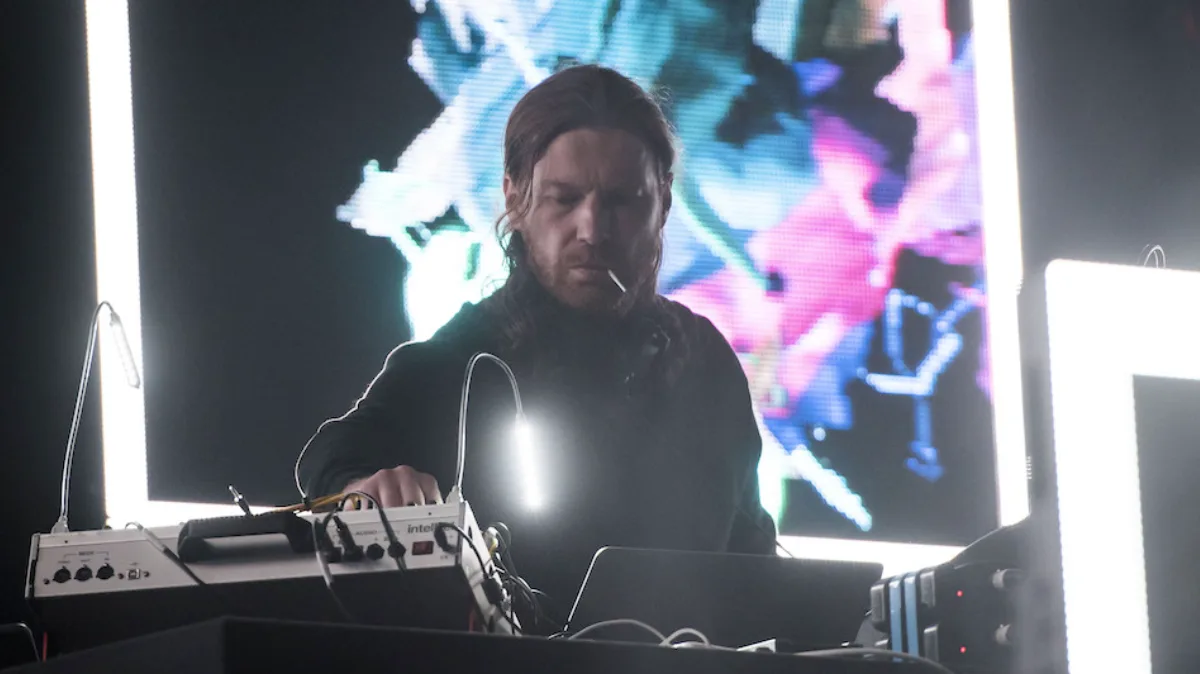
Richard D. James — better known as Aphex Twin — doesn’t play by the rules, and his 2017 Glastonbury performance proved it once again. While most acts aim to please, Aphex challenged the crowd with a barrage of industrial noise, deconstructed rhythms, and visual glitches that melted minds. The stage was bathed in surreal light while distorted facial projections turned the audience into part of the performance. Somewhere between horror and euphoria, Aphex Twin reasserted that electronic music is as much about discomfort as it is about pleasure. It was art as noise, and noise as ritual.
Donato Dozzy At Labyrinth: Sonic Zen In The Mountains
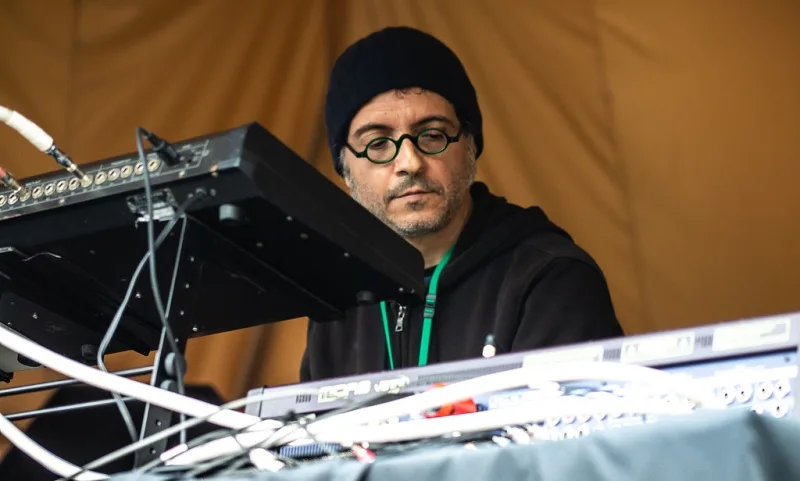
In a forested corner of Japan, Donato Dozzy performed a closing set at Labyrinth Festival that transcended genre and geography. His ambient-infused hypnotic techno, stretched over hours, invited dancers to breathe, to slow, and to dissolve into the pulse of the earth. Without bombast or spectacle, Dozzy created an internal journey — a meditative deep-dive that proved techno can be subtle, spiritual, and deeply personal. The environment — a misty Japanese mountain — was as much part of the experience as the music itself.
Multiples (Speedy J & Surgeon) At Fuse: Live Techno Redefined
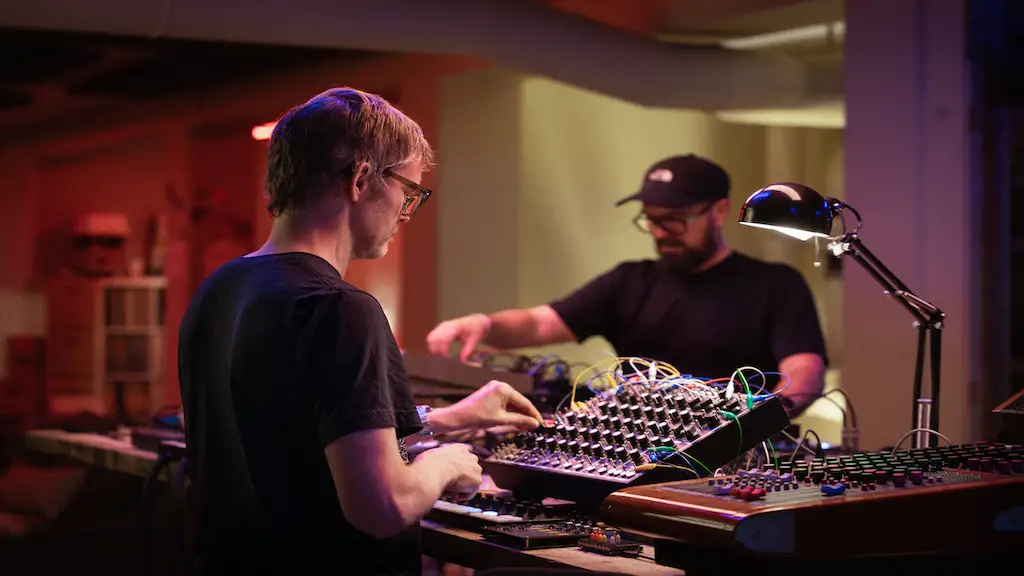
At FUSE 2023, Speedy J and Surgeon came together as Multiples, presenting a hybrid live/DJ set that redefined what real-time techno improvisation could look like. Moving between decks, drum machines, and modular gear, the duo sculpted sound live with the chemistry of jazz musicians. It was a dynamic, unpredictable performance. Beats were created, destroyed, and reborn in real time. Rather than playing tracks, they played ideas. In an age of pre-planned sets, this live experiment reminded us that techno can — and should — remain dangerous and alive.
 From Techno to Recovery: The First Month of Support for Colombia
 Hardgroove vs Hard Techno: Why Swing, Funk and Percussion Are Winning in 2026
 Boris Brejcha: From a Difficult Childhood to the Rise of High-Tech Minimal
 Hypnotic Techno: How Repetition, Space and Subtle Motion Build the Groove
 Tribal Techno: How Percussion, Groove and Polyrhythm Shape the Sound
 Best Techno Album Releases: What Makes a Strong Album Worth Buying?