

In the shadows of clubs and festivals, where the heartbeat of electronic music becomes the pulse of those seeking to lose and find themselves at the same time, there is a name that echoes like a distant whisper, a scream in the night: I Hate Models. An enigma behind an artist’s mask, a sonic alchemist who blends the aggression of techno with the melancholy of nostalgia, industrial rawness with the sweetness of trance.
Biography and the Origin of the Enigma
I Hate Models is the alias of a French producer and DJ whose real name remains hidden, a decision that reinforces his aura of mystery. Since his early productions in 2016, his rise has been meteoric, thanks to his bold and emotional approach to techno. His first release, Warehouse Memories, caught the attention of the underground world with its raw intensity and melancholic melody, immediately establishing his signature style.
Over the years, he has worked with renowned record labels such as Perc Trax, Arts, and Totsuka, solidifying his reputation as one of the most innovative names in the contemporary techno scene. His music, always unpredictable, defies established norms and moves across genres, from acid and industrial to trance and ambient, creating a unique sound that is both aggressive and introspective.
Sound as a Transcendental Experience
I Hate Models’ music is not just a collection of beats and synthesizers; it is a sensory experience, a kind of collective catharsis where every drop is a wave carrying memories, repressed emotions, and hidden desires. His sound oscillates between brutality and tenderness, distortion and harmony, evoking images of a dystopian future where the only comprehensible language is the pounding kick drum reverberating in the chest.
As Alan Watts said about life, I Hate Models’ music seems to remind us that there is no final destination to reach, but rather a constant dance between chaos and beauty. His sets are a journey with no fixed direction, an exploration of time through the cadence of rhythm. Listening to him is like walking through an unknown city in the early hours of the morning, with no compass other than the vibration of the music guiding you.
Mask and Anonymity: The Myth of the Artist
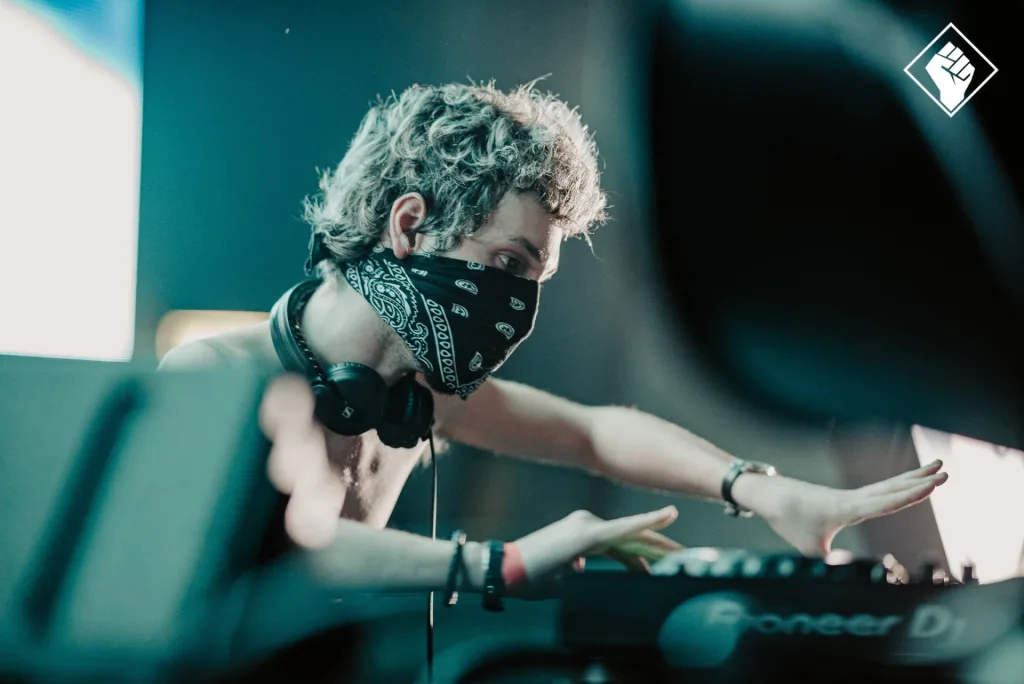
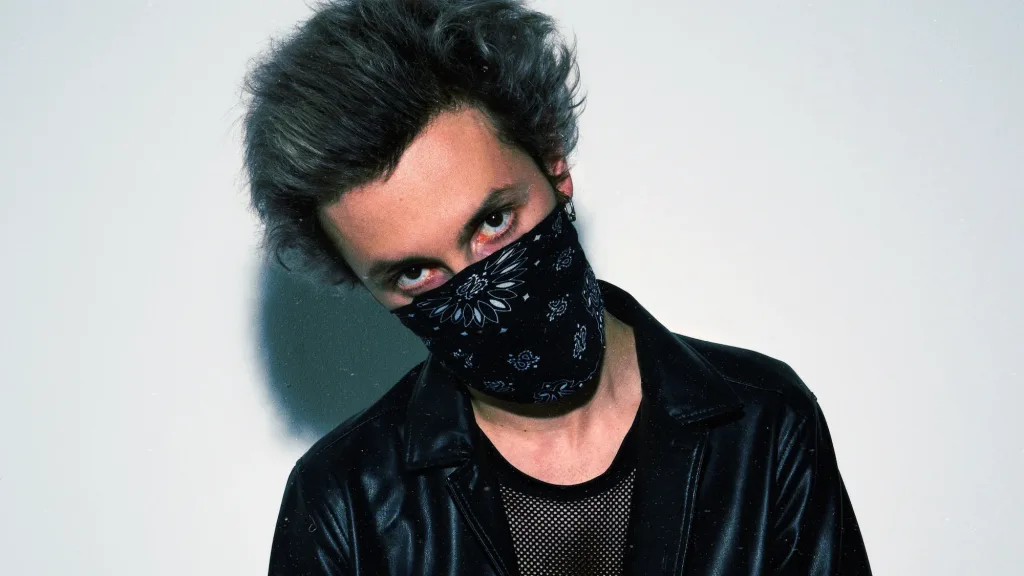
In a world obsessed with identity and image, I Hate Models chooses anonymity, letting his music speak for him. It is not just a marketing strategy but a philosophy: art must transcend its creator. Like a modern shaman, he disappears into the crowd while his sound reverberates in the souls of those who listen.
His name, more than a manifesto, is a provocation. What models does he hate? Those of society? Those of music? Those of life itself? In an era of labels and categories, his music challenges any attempt at classification. It can be brutally fast or ethereally melodic, dragging you into the abyss or lifting you into the stratosphere, but it will never leave you indifferent.
The Dance Floor as a Ritual
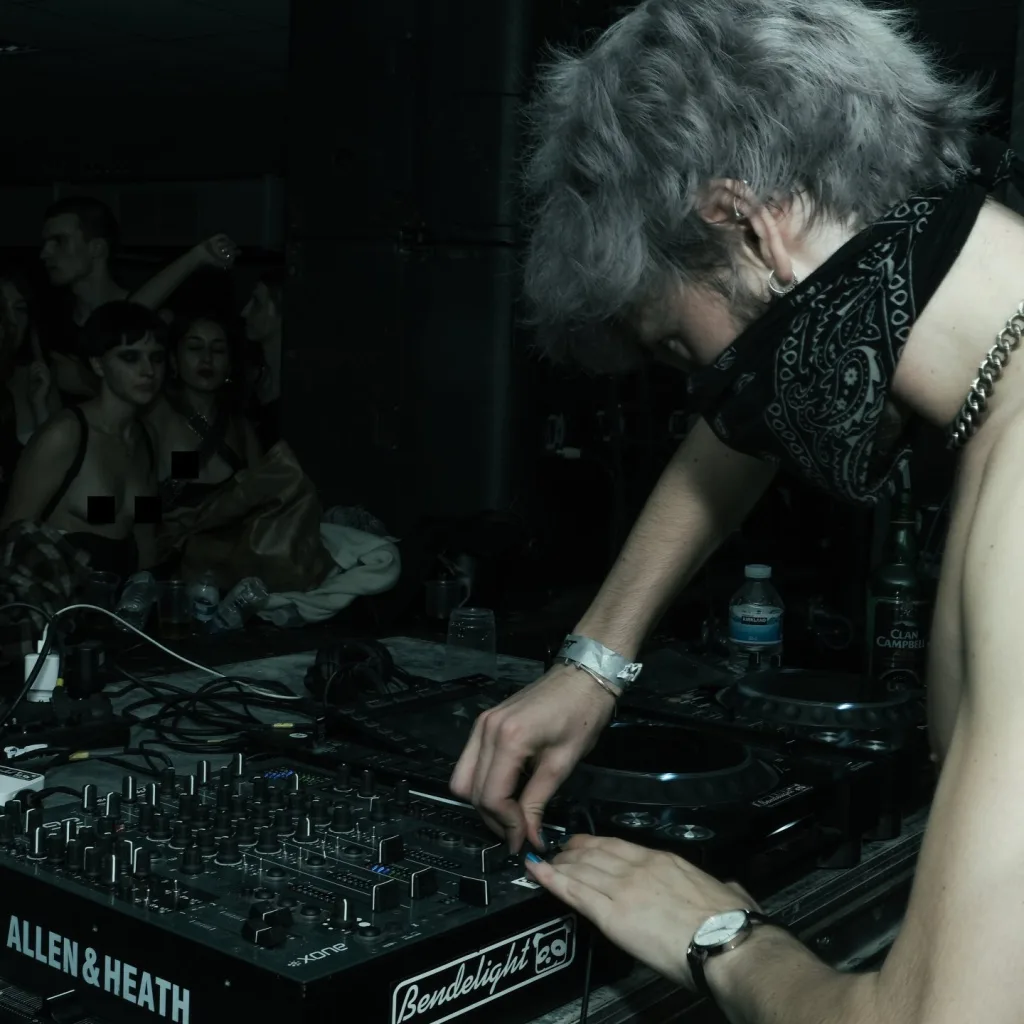
In every I Hate Models performance, the dance floor becomes a sacred space, a collective ritual where bodies merge with sound, where time loses meaning. It is not just music to dance to; it is a modern trance, a form of meditation in motion where strobe lights turn into visions and drops into epiphanies.
Those who have experienced one of his sets know it is an emotional journey. There are moments of fury, ecstasy, and introspection. It is a reflection of life itself, with its highs and lows, its moments of euphoria and descents into the abyss. On the dance floor, as in existence, we let ourselves be carried by the flow, understanding that the true meaning lies in the experience itself, in the absolute present.
Beyond Techno, Beyond Music
I Hate Models is not just a DJ, a producer, or a name on a lineup. He is a state of mind, a sonic philosophy that challenges the comfort of predictability and pushes us to explore the extremes of our own sensitivity. His music is a reminder that the most genuine art is not the one that simply entertains but the one that transforms us, that disarms and rebuilds us in a single heartbeat.
Because, in the end, life is not a destination to reach but a journey to dance through. And on that journey, I Hate Models reminds us that true art is the one that confronts us with who we are, what we fear, and what we long to become.