

Beneath the lights that tremble like artificial stars, in the pulse of a beat coursing through the veins of a dancefloor, lies a silence that speaks. A cold, invisible silence, woven by hands that are not human, by algorithms shaping sounds like the breath of an infinite machine.
Techno, that music born from the embrace of steel and nostalgia, seems to face a paradox: can a genre forged in freedom and creative chaos now become a work of calculated precision? As in a poem by Pablo Neruda, the question is not a shout but a whisper echoing through the shadows of the future.
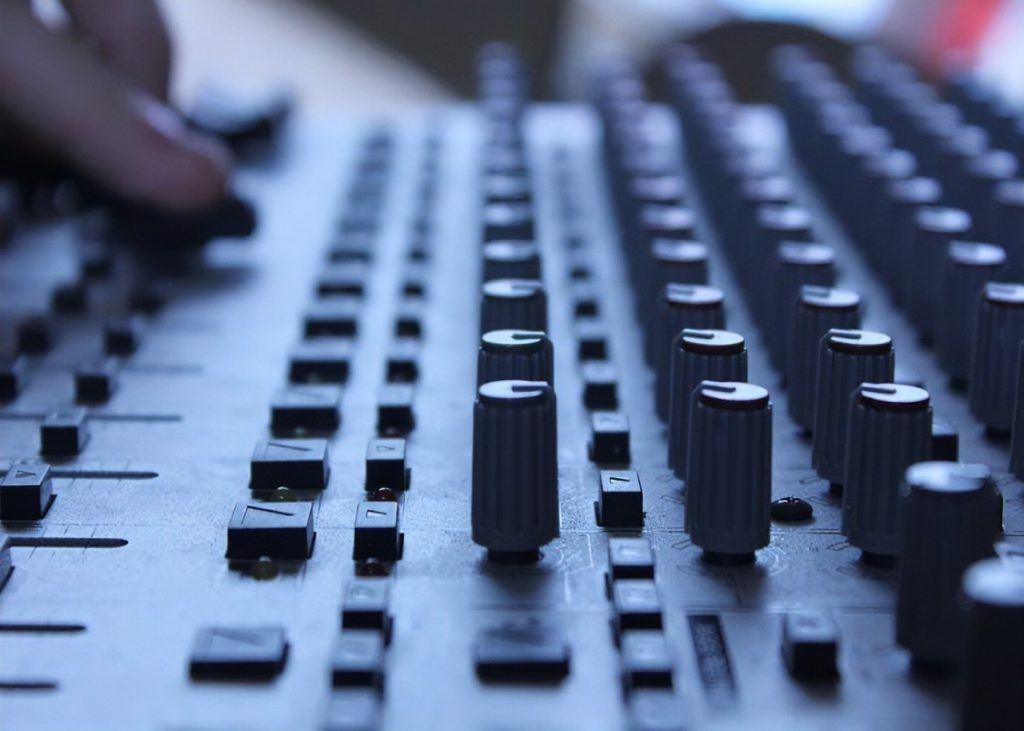
The Dancefloor and the Breath of Machines
Once, techno was a rebellious whisper in the corners of Detroit, a metallic echo singing of factories and starless nights. Every track was an imperfect masterpiece, forged by human hands that sweated, experimented, and sometimes failed. But now, algorithms—those silent architects—enter the studio.
Like mathematical rain, they fill the voids with patterns no human could imagine, adjusting each frequency with a precision so meticulous it feels inhuman. And then, doubt arises: what remains of the creator’s soul when an equation writes the verses of music?

The Poet Living in the Machine
If Neruda were to write about this dilemma, he might say that the machine is not an enemy but another voice joining the chorus. The algorithm has no heart, but it amplifies the creator’s heartbeat. It does not feel, but it listens. Like the poet who finds a song in the rocks or the wind, the DJ finds in the machine a tool to speak new languages.
However, can that tool become the master of the song? Can calculation suffocate the improvisation, intuition, and error that give life to art? This is where the algorithm ceases to be an ally and begins to become a master.

Music as a Mirror
Techno has always been a mirror of the time it inhabits. In its early days, it reflected industrialization, struggle, the loneliness of a mechanized world. Today, it mirrors a world obsessed with perfection, where even art seems programmed to please market algorithms, to conquer the perfect playlist.
But Neruda would remind us that in art, perfection is not the path. In his poems, beauty lives in chaos, in the unfinished, in what breathes and beats beyond the rules. How can techno music reclaim that human pulse, that imperfection that turns sound into soul?
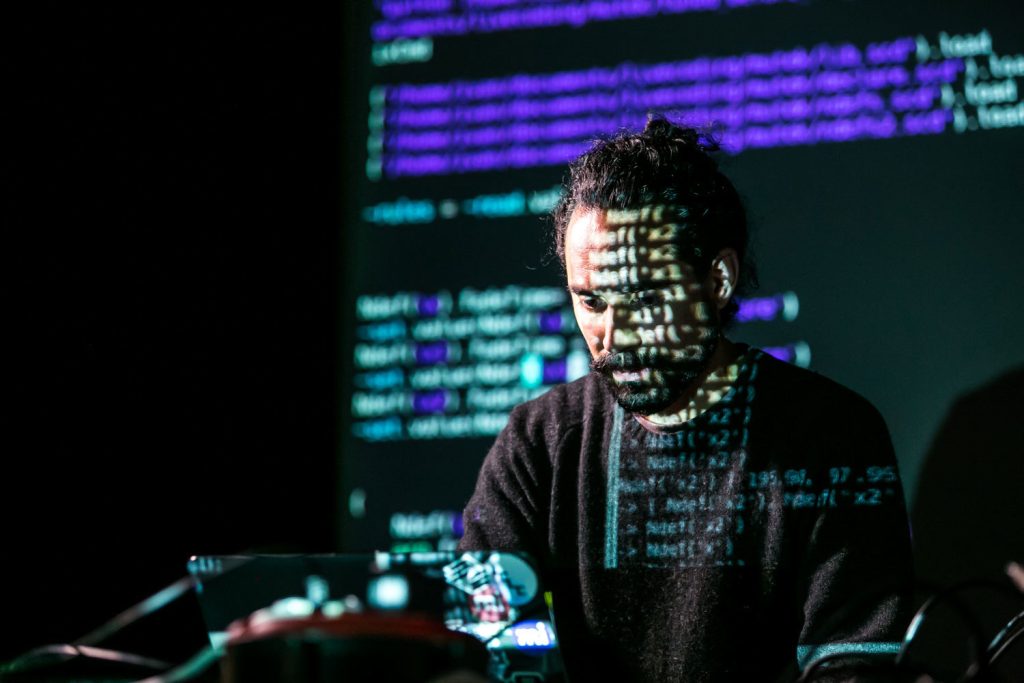
Slavery or Revolution?
Perhaps the real question is not whether techno is becoming a slave to algorithms, but whether artists can tame these unseen forces. Technology is not the problem; the intention behind its use is.
When a creator uses the machine as a brush, art remains human. But when the algorithm dictates the melody, techno loses its essence.
Top 10 Ways Algorithms Are Changing Techno
1. Track Duration – Songs are getting shorter to fit streaming trends, cutting deep, hypnotic journeys.
2. Loudness Wars – Tracks are mastered louder to stand out, sacrificing dynamics and depth.
3. Formulaic Structures – AI-driven playlisting favors predictable drops and breakdowns over experimentation.
4. Genre Homogenization – Techno is blending into mainstream sounds, losing its underground essence.
5. Viral Hooks Over Progression – Catchy moments are prioritized over slow-building tension and storytelling.
6. Over-Reliance on AI Curation – Playlists dictate what gets heard, limiting exposure for boundary-pushing artists.
7. Engagement Metrics Over Artistry – Artists focus on repeatability and algorithm-friendly production rather than creative expression.
8. Visual Identity Over Sound – DJs and producers are pressured to create viral content, shifting focus away from the music.
9. Loop-Based Simplicity – Algorithm-friendly tracks favor easy-to-loop structures, reducing complexity and evolution.
10. Shorter Attention Spans – The demand for instant gratification is reshaping techno into bite-sized experiences instead of immersive journeys.
Techno was born from rebellion and innovation. If algorithms define the future, will it still be the same?