

In the world of electronic music, there are places that transcend their original purpose to become cultural institutions. HÖR Berlin is one of those places. Founded in 2019 and located in the Kreuzberg district, HÖR has established itself as a unique platform where musical diversity and innovation are celebrated. In a short period, it has become a global reference, attracting both emerging artists and established giants from the techno and house scenes.
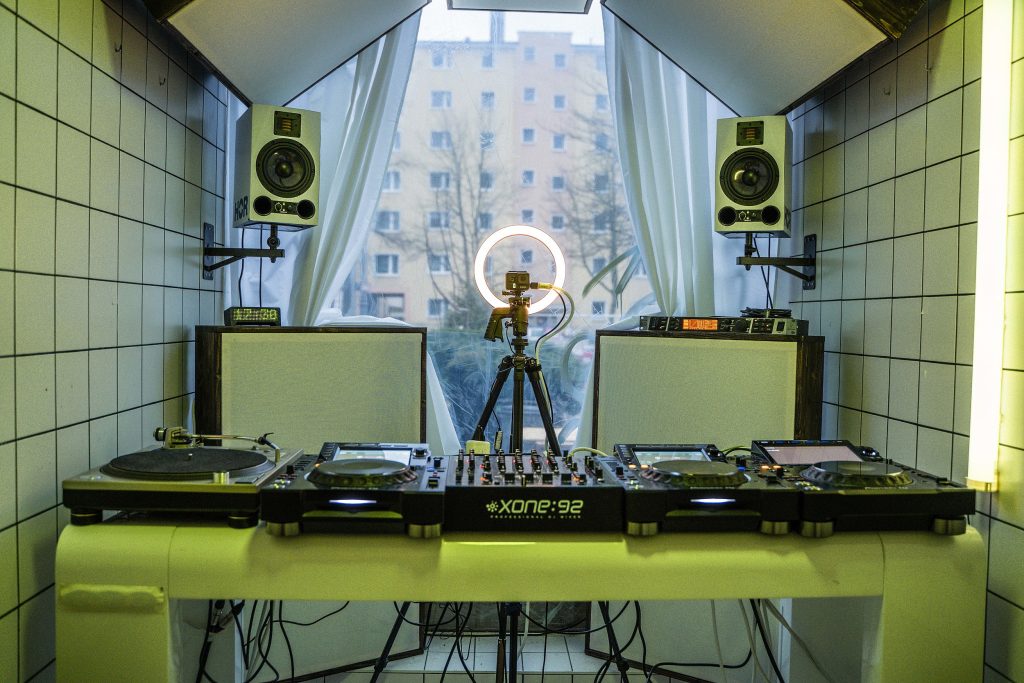
With a minimalist and authentic approach, HÖR stands out not only for its visual aesthetic—a simple white-tiled wall serving as a backdrop for its artists—but also for its dedication to conveying the raw and real essence of underground music.
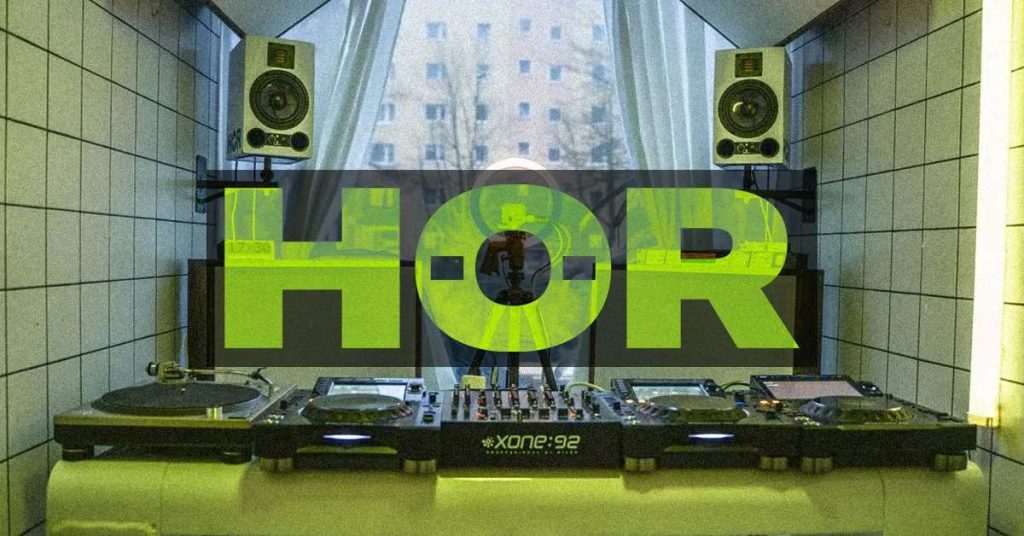
The 5 Most Watched HÖR Berlin Sets on YouTube
The global impact of HÖR is evident in its YouTube channel, where millions of people have enjoyed its broadcasts. Some of the most popular sets include:
- 1. Griessmuehle – Tham / 4.2 M de vistas hace 5 años
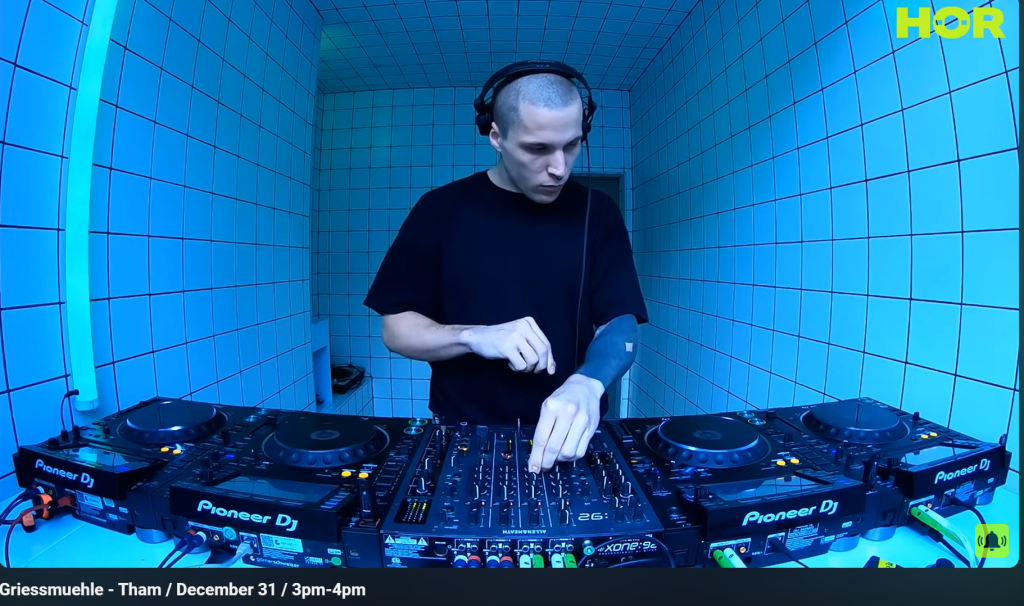
- 2. Tigerhead / 2.3 M de vistas hace 5 años
- 3. Té Brvtalist – Mercury 200 / 1.5 M de vistas hace 4 años
- 4. Private Persons – Locked Club / 1.3 M de vistas hace 5 años
- 5. Lea Occhi / 888 k vistas hace 5 años
These sets are not only known for their musical quality but also for the emotional connection they forge with the audience, showing why HÖR is an institution in electronic music.
The History of HÖR Berlin: Origins and Evolution
HÖR was born as a response to the lack of accessible platforms that truly represent underground culture. Its founders wanted to create an inclusive space where artists could express themselves freely, without the commercial restrictions of large corporations. Since its inception, HÖR has been a refuge for those seeking authenticity in an increasingly saturated music world.
During the COVID-19 pandemic, when clubs closed and nightlife paused, HÖR played a crucial role by broadcasting live sets from its iconic Kreuzberg space. This not only kept the electronic music scene alive but also expanded its audience globally.

Scandals and Controversies
Like any high-profile cultural institution, HÖR has not been without its controversies. Some of the most discussed moments include:
- The Clothing Controversy (2023)
In one of the live sets, an artist appeared wearing politically charged clothing that some viewers found offensive. This sparked a heated debate on social media about HÖR’s responsibility as a platform and the fine line between artistic freedom and cultural sensitivity. - The Commercial Collaboration Case
In 2022, HÖR was criticized for collaborating with a brand that many saw as contradictory to the values of underground culture. This sparked a debate about how independent platforms can maintain their integrity in an increasingly commercialized environment.

Despite these controversies, HÖR has learned from its mistakes, using these moments as opportunities to foster dialogue and reflect on its role in the global community.
The Legacy of HÖR Berlin and What’s to Come
HÖR Berlin is not just a physical space; it is a symbol of what electronic music represents: connection, innovation, and resistance. With plans to expand its reach through international collaborations and technologies like virtual reality, HÖR continues to adapt to the demands of an increasingly diverse global audience.
In a world where platforms often sacrifice authenticity for popularity, HÖR Berlin stands firm in its mission: to be a beacon of creativity and artistic freedom. Its influence not only transforms music but also the lives of those who find a community and a reason to dance within its space.